Safety Protocols Shaping Interactions Between Accumulating Prizes and Strategic Wagers in Finland's Portable Gaming Landscape
Kirjoittanut Otto Lange · 12.10.2026
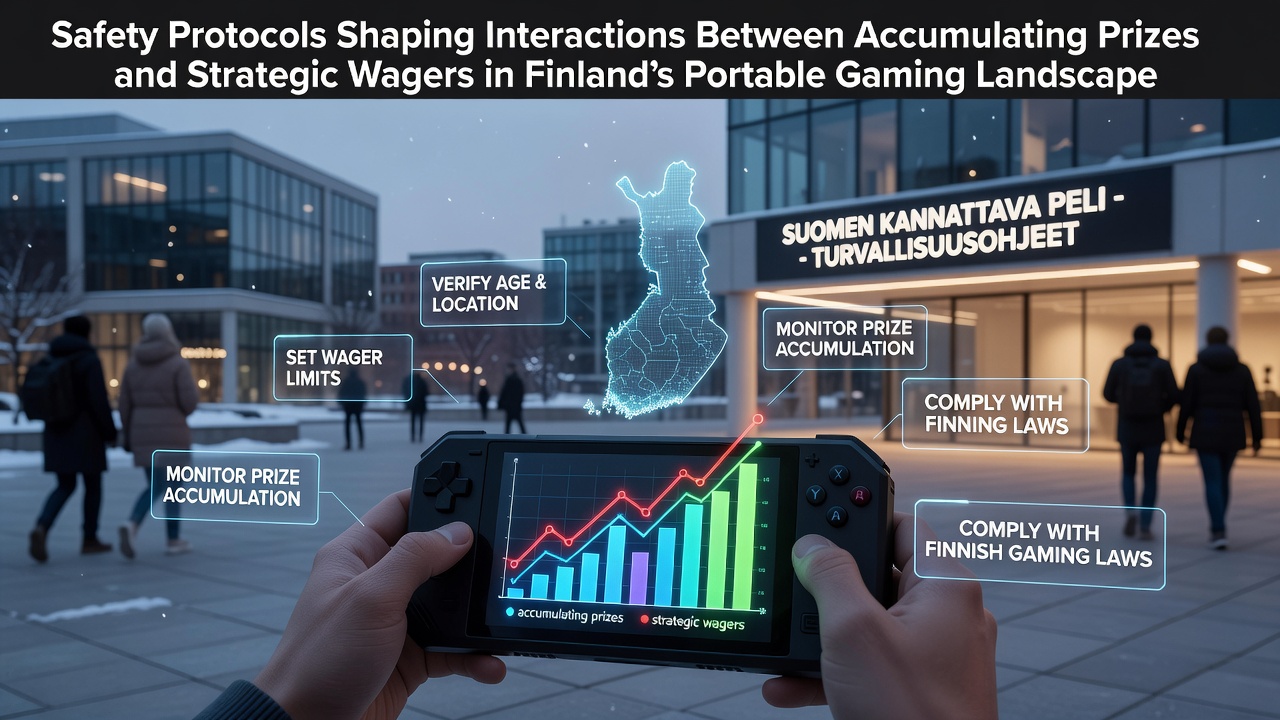
Safety Protocols Shaping Interactions Between Accumulating Prizes and Strategic Wagers in Finland's Portable Gaming Landscape
Finland's portable gaming environment operates under strict national regulations that govern how accumulating prizes connect with player wagering decisions, and these rules continue to evolve as mobile platforms expand their reach. The Finnish system centers on licensed operators who must embed player protection tools directly into jackpot mechanics and betting interfaces, which creates structured pathways for users engaging with progressive reward pools alongside calculated stake adjustments.
National Oversight and Mobile-Specific Requirements
Finnish authorities require all mobile gaming applications to incorporate real-time monitoring systems that track both prize pool growth and individual wager patterns, ensuring that safety thresholds activate before excessive accumulation influences player behavior. These protocols link directly to the country's broader gambling legislation, where operators receive approval only after demonstrating that jackpot displays and betting options remain separated by mandatory cooling periods and limit checks. Data collected through these systems feeds into centralized reporting, allowing regulators to assess how strategic wagering interacts with growing prize values across thousands of daily sessions.
Operators must display clear information about prize accumulation rates while simultaneously presenting wager limit options that users can adjust without leaving the active game screen. This integration prevents situations where large jackpot figures prompt rapid stake increases, as automated alerts intervene based on predefined risk indicators tied to session length and total exposure.
Progressive Prize Mechanics Under Protection Rules
Accumulating prizes in Finnish mobile games follow contribution formulas that allocate portions of each wager to a shared pool, yet safety protocols cap the rate at which individual players can contribute during single sessions. These caps tie into broader responsible gaming measures, where systems detect when repeated strategic wagers align with rapid pool growth and trigger mandatory review prompts. Research from the Finnish Institute for Health and Welfare shows that such interventions reduce the frequency of high-volume betting sequences linked to jackpot pursuits.

October 2026 marks the scheduled rollout of enhanced cross-platform synchronization rules, which will require all licensed mobile applications to share player activity data across jackpot-enabled titles in real time. This update aims to close gaps where users shift between games to bypass individual session limits while chasing accumulating rewards. The change builds on existing frameworks that already mandate identity verification before any wager contributes to prize pools.
Wager Strategy Controls and Data Integration
Strategic wagering receives direct oversight through algorithms that compare bet sizing against historical patterns and current prize levels. When systems identify clusters of increasing stakes near significant jackpot thresholds, they activate predefined safety responses including temporary stake restrictions or session pauses. These responses operate automatically yet allow users to review their activity through detailed logs that operators must maintain for regulatory inspection.
External audits examine how these controls perform across different game categories, with particular attention paid to mobile environments where quick access can amplify the connection between prize visibility and wager decisions. Figures from the European Gaming and Betting Association indicate that jurisdictions with similar integrated monitoring report lower rates of problem gambling indicators tied to progressive reward structures.
Future Adjustments and Cross-Border Considerations
Finland continues to refine its approach by studying interactions between accumulating prizes and wager tactics in other regulated markets, adapting successful elements to local conditions. Mobile-specific testing protocols now include simulated high-traffic scenarios that evaluate whether safety features maintain effectiveness when multiple users engage prize pools simultaneously. These exercises inform updates scheduled beyond the October 2026 enhancements, focusing on seamless user experiences that do not compromise protection layers.
Conclusion
Safety protocols in Finland's portable gaming sector function as interconnected systems that balance prize accumulation opportunities with controlled wagering environments. Through mandatory monitoring, automated interventions, and scheduled regulatory updates, the framework shapes how players interact with growing reward pools while maintaining structured limits on strategic betting activities. Continued data collection and cross-platform coordination support ongoing adjustments that align mobile gaming operations with national player protection standards.